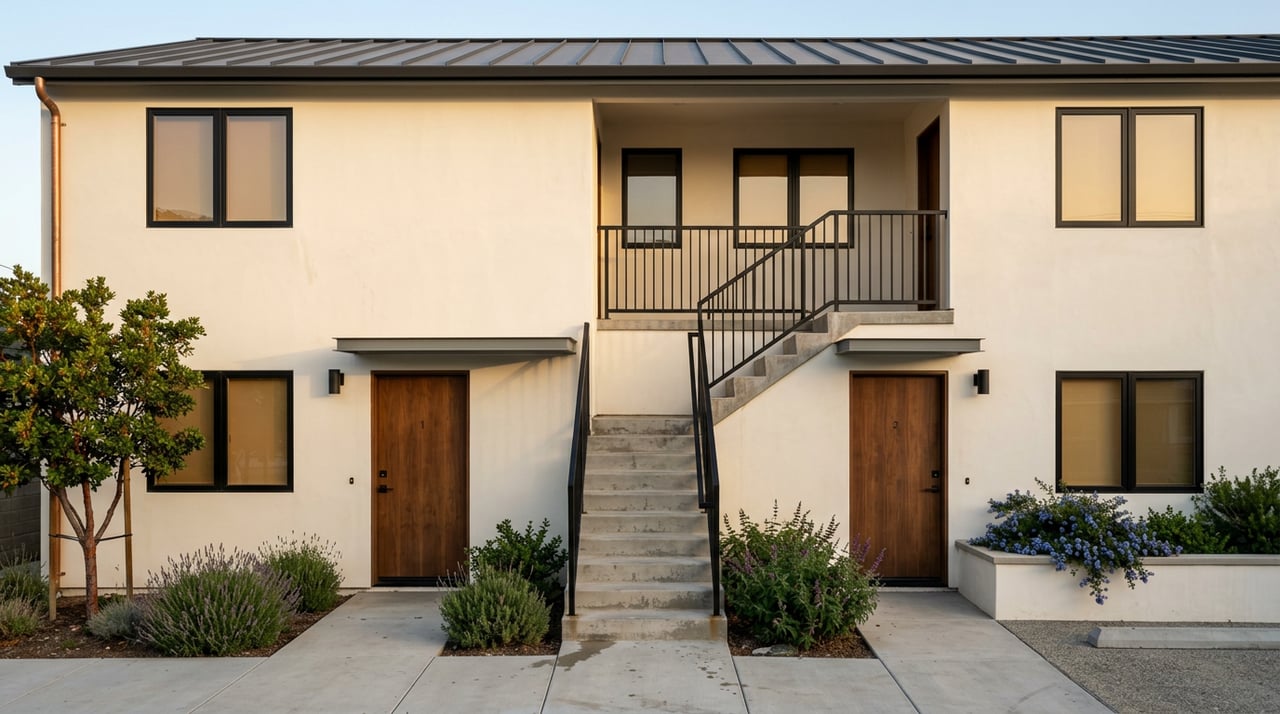
Thinking about buying a duplex or fourplex in Fremont to build cash flow or house-hack your way into the East Bay market? You are not alone. Small multifamily in Fremont is popular because it combines strong rental demand with proximity to major tech and employment hubs. In this guide, you will learn what these properties cost, how rents and expenses pencil out, what rules to know, and how to run a clean due diligence process. Let’s dive in.
Why Fremont small multis work
Fremont sits at the crossroads of the East Bay and Silicon Valley, which helps support steady rental demand. Regional apartment fundamentals have been resilient, with vacancy generally in the low to mid single digits across 2024 to 2025, even as rent growth cooled from pandemic peaks. You should still underwrite carefully, but the metro’s stability is a plus for small investors. See the regional snapshot in the HUD Pacific report for context on vacancy and demand trends.
Cap rates for Bay Area multifamily often sit in the mid 4 to mid 6 percent range, and 2 to 4 unit properties can sell at tighter yields because they are scarce and attract both investors and owner occupants. That means cash flow can be thinner at the start, unless you plan upgrades or have a favorable financing structure. For a deeper look at Bay Area investment trends, review the Cushman & Wakefield market report.
- Metro fundamentals: HUD Pacific regional report
- Cap rate context: Cushman & Wakefield Bay Area investment report
What you can expect to pay
Prices vary by neighborhood, property condition, and unit mix. Recent offerings and examples suggest a range from the low millions to the mid twos for 2 to 4 unit properties. Scarcity can push per unit pricing higher for 2 to 4 unit buildings compared with larger apartment assets.
One recent fourplex was marketed around 2.05 million, roughly 512 thousand per unit, which shows how tight supply can influence pricing. Use this as a directional marker, not a rule. Always anchor your offer to the real rent roll, condition, meter setup, and a property-specific inspection.
- Example of fourplex scarcity pricing: Fremont four-unit marketing example
Rents and quick cash flow math
As of early 2026, average Fremont asking rents often fall around 2,500 to 2,900 dollars overall, with many one-bedrooms in the 2,300 to 2,600 range and two-bedrooms commonly 2,700 to 3,100 depending on product and location. Treat listed rents and realized rents as different data points and verify with actual leases during due diligence.
When you pencil a deal, use conservative assumptions for vacancy and expenses. Many small-multifamily investors model 5 to 8 percent vacancy and 35 to 50 percent operating expenses as a quick screen. Budget reserves for repairs and turns, and include professional management if you do not plan to self-manage.
- Rent benchmarks: Fremont average rent trends
A simple screening example
Here is an example for a fourplex with average 2 bedroom rents at 3,000 per month:
- Gross scheduled rent: 4 units x 3,000 x 12 = 144,000 per year
- Vacancy at 6 percent: effective gross income ≈ 135,360
- Operating expenses at 45 percent: ≈ 60,912
- Net operating income: ≈ 74,448
At a 2,000,000 purchase price, this pencils to about a 3.7 percent cap rate. This is typical of high-cost Bay Area markets where returns often rely on value-add, appreciation, or favorable financing.
Financing paths to consider
If you plan to live in one unit, owner-occupied financing for 2 to 4 unit properties can provide lower down payment options compared with investor loans. Lenders may require extra reserves and self-sufficiency tests for 3 to 4 unit FHA scenarios, so get pre-approved early and ask your loan officer to model different structures.
If you will not occupy, expect larger down payments and more conservative underwriting for investor loans. Rate, debt coverage, and reserves vary by lender and market, so written quotes are essential.
Rules and rent limits to know
California’s Tenant Protection Act, known as AB 1482, limits rent increases for many units and sets just-cause eviction rules unless an exemption applies. Review exemptions carefully and confirm coverage with your attorney or property manager.
Fremont also operates a Rent Review Program with a Rent Review Board. It is not rent control, but it requires certain notices and sets a process for reviewing larger increases. Follow all local notice, deposit, and administration rules.
- Statewide baseline: AB 1482 overview
- Local process: Fremont Rent Review Program
If you are evaluating properties outside Fremont in unincorporated Alameda County, a county just-cause ordinance also applies. Always confirm the property’s jurisdiction so you apply the right set of rules.
ADUs, meters, and zoning checks
Fremont actively supports Accessory Dwelling Units with published guidance and even preapproved plans. Some parcels can support an ADU or legalization of an unpermitted unit, subject to size, setback, and permit standards. Verify capacity with the City before you underwrite any extra income.
Older small multis in Fremont often vary in meter configuration. Separate gas and electric meters can reduce owner-paid utilities, which affects operating expenses. Parking, storage, and laundry income can also move the needle, especially on fourplex layouts.
- City guidance: Fremont ADU resources
Property taxes and insurance
Under California’s Prop 13, the base tax rate is 1 percent of assessed value, plus local bonds and assessments. In Alameda County, that often puts effective property taxes around 1.1 to 1.4 percent of market value, but parcel-specific rates vary. Confirm the exact rate with the Assessor or on the current tax bill.
- County context: Alameda County Assessor annual report
Fremont lies near the Hayward Fault, so earthquake risk should be part of your plan. Budget for earthquake insurance and consider retrofit costs for older wood-frame buildings. Premiums and deductibles vary based on building age, value, and retrofit status.
- Seismic risk: USGS on the Hayward Fault
- Insurance overview: California Earthquake Authority
Due diligence checklist
Use this list to stay focused when you evaluate a duplex or fourplex in Fremont:
- Rent roll and all leases, with deposits and expiration dates.
- Year-to-date and trailing 12-month income and expense statements.
- Utility history and a summary of owner-paid utilities by unit.
- Turnover history and average turn costs per unit.
- Permits, certificates of occupancy, and proof of legal unit count. Confirm ADU status or path to legalization if applicable.
- Inspection reports for roof, electrical, plumbing, and heating, plus your independent inspection.
- Parcel-specific property tax bill and any special assessments.
- Zoning and planning check, including parking and potential for an ADU.
- Confirmation of which rent and eviction rules apply to the exact address.
- Insurance quotes that include earthquake coverage and retrofit estimates.
- Written lender feedback on loan type, LTV, reserves, and any self-sufficiency requirements if you plan to owner-occupy.
Stress-test your numbers
Build three quick versions of your pro forma so you know your range of outcomes.
- Base case: Use in-place rents, market vacancy at 5 to 6 percent, and actual expenses.
- Conservative case: Reduce rent by 5 to 10 percent, increase expenses by 10 to 20 percent, and add a month of downtime for one unit.
- Worst case: Stack longer vacancy for two units, add a large capex item such as a roof or main sewer line, and model higher insurance costs.
Check how each case changes NOI, cap rate, debt service coverage, and cash-on-cash return. If the deal still works in the conservative case, you are looking at a stronger candidate.
How a local advisor helps
Small multifamily investing in Fremont rewards careful underwriting and strong on-the-ground support. A local, investor-savvy agent can help you source off-market leads, validate rent rolls, spot meter and parking details that change expenses, and coordinate inspections and quotes. You can also get help with tenant placement and management to support your plan.
If you are considering a duplex or fourplex in Fremont, reach out for tailored comps, rent surveys, and a property-specific checklist. You will get clear next steps from first tour through closing and beyond.
Ready to run the numbers on a real property and map your plan? Schedule your free consultation with Stacey Davis and let’s build your Fremont small-multifamily strategy together.
FAQs
What are typical fourplex prices in Fremont?
- Recent offerings have ranged from the low millions to the mid twos, and scarce 4-unit supply can push per-unit pricing higher than larger apartments.
How much rent can a 2-bedroom unit get in Fremont?
- Many two-bedrooms rent around 2,700 to 3,100 per month, based on recent market trackers, but verify with current leases and a unit-by-unit rent survey.
Does California’s AB 1482 apply to duplexes and fourplexes?
- AB 1482 covers many non-exempt units with rent caps and just-cause rules; review exemptions and confirm coverage for your specific property with local counsel.
What property tax rate should I model in Alameda County?
- A common estimate is about 1.1 to 1.4 percent of market value, but you should confirm the parcel’s exact rate on the current tax bill.
Do I need earthquake insurance for a small multi in Fremont?
- Earthquake risk is significant near the Hayward Fault, so many owners obtain coverage and plan for retrofits, deductibles, and higher premiums.
Can I add an ADU to a duplex lot in Fremont?
- It depends on the parcel and zoning; Fremont provides clear ADU guidance and preapproved plans, so verify feasibility with the City before underwriting income.